Insights
What is scenario-based learning?
Scenario-based learning places people in situations where knowledge alone is not enough. They make decisions, experience consequences and reflect on their actions — before the situation matters in everyday work.
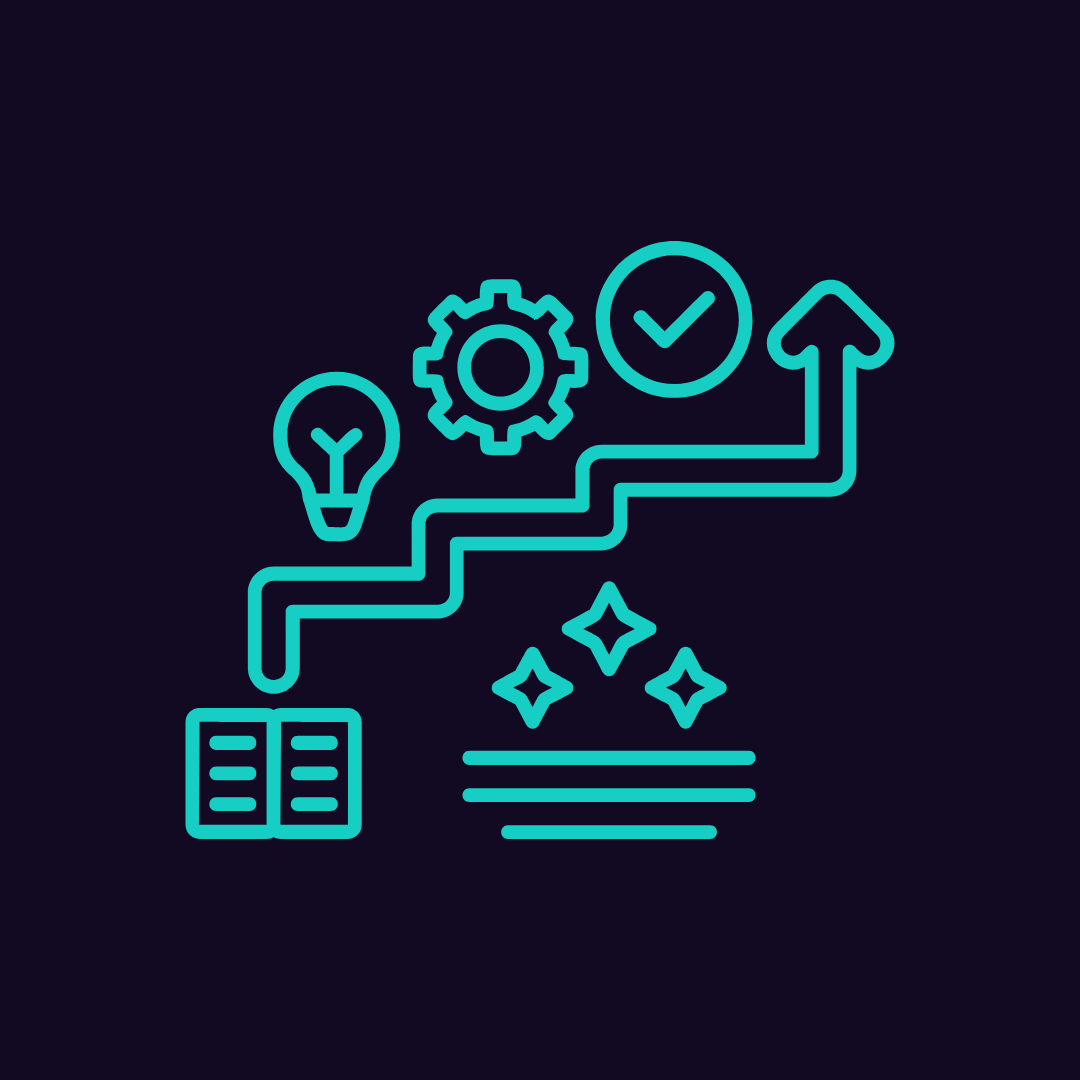
Learning starts with decisions
Many learning formats communicate content: rules, processes, methods or guidelines. That is important. But in the moments that matter, employees often need to do more than retrieve knowledge.
- They need to set priorities.
- They need to respond to objections.
- They need to conduct difficult conversations.
- They need to remain able to act even when things are uncertain.
Scenario-based learning makes exactly this trainable. Learners move through realistic situations and decide, step by step, how they would act.
A leadership example
A manager receives feedback that a team member repeatedly fails to follow agreed commitments. An e-learning module could explain how feedback works. A scenario goes further:
- How do you open the conversation?
- How do you respond to a justification?
- When do you stand by your expectation?
- What do you agree on specifically for the future?
The manager experiences that every response changes what happens next. This makes learning tangible — and creates a safe space to test different courses of action.
Why scenarios work
Scenarios connect knowledge with application. They help learners recognise relationships, shift perspectives and assess the impact of their own decisions more effectively. They are particularly useful for situations that are challenging, recurring or consequential:
- Leadership and collaboration
- Customer interactions and consulting
- Change and new processes
- Onboarding and role clarity
- Compliance, safety and quality standards
- Conflict, feedback and difficult conversations
From knowledge to action
Scenario-based learning does not replace a strong knowledge foundation. It builds on it. The difference is that content does not stop at information — it is translated into concrete action. With MIKO, organisations turn existing content into interactive learning journeys. Employees practise making decisions in realistic situations, rather than merely consuming knowledge.
Would you like to turn your content into decision-making training?